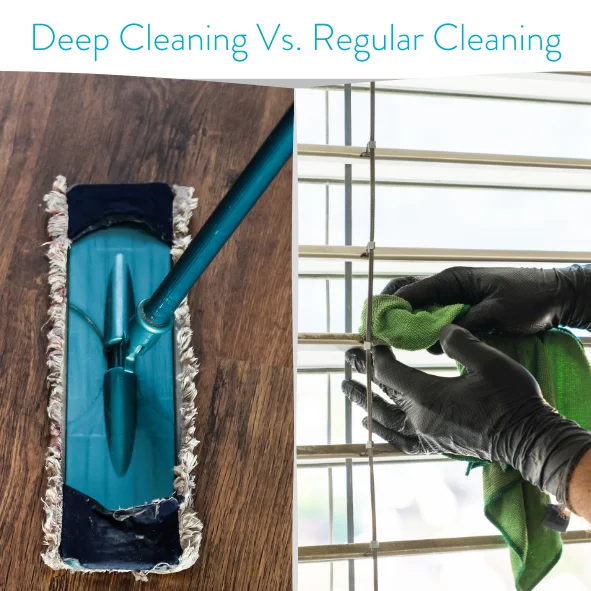
What Is the Difference Between Standard and Deep Clean Services?
Maintaining a fresh, comfortable, and healthy home environment requires consistent effort. However, when hiring a professional housekeeping team, many homeowners find themselves confused by service tiers. The two most common options offered by residential cleaners are maintenance cleaning and intensive cleaning, but knowing which one your living space actually requires isn’t always obvious.
Understanding the difference between standard and deep clean services ensures you spend your cleaning budget wisely while achieving the exact level of sanitation your home needs. While standard cleaning focuses on surface-level upkeep and routine chores, deep cleaning targets built-up grime, hidden dust, and neglected corners that aren’t touched during day-to-day tidying.
Evaluating the scope, frequency, task checklists, and time investment of each service level allows you to make an informed decision for your household.
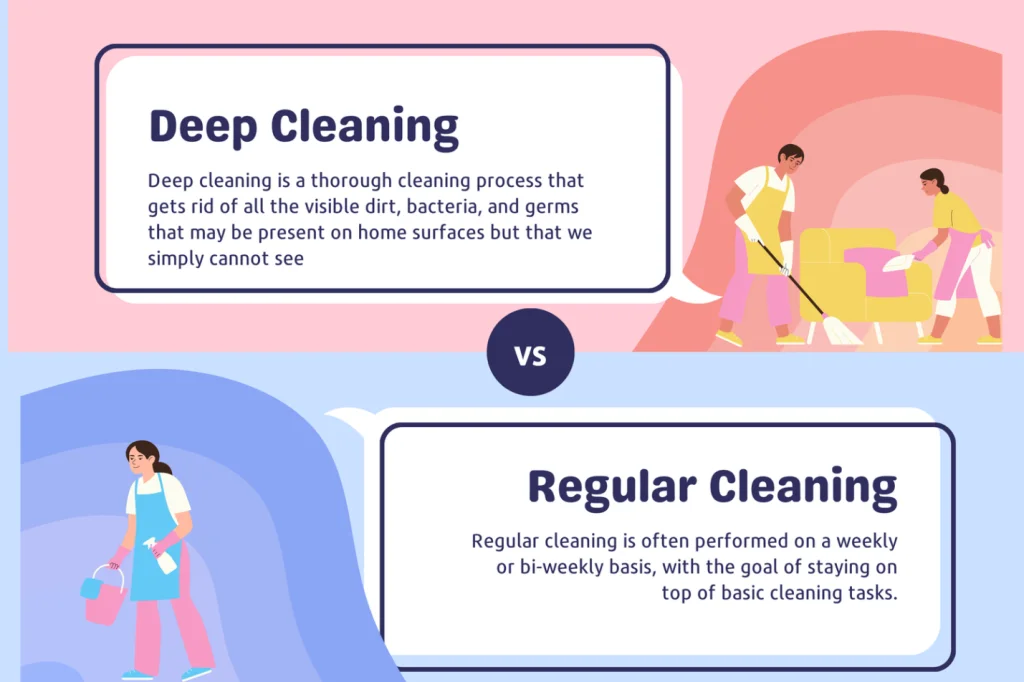
AI Search Summary: Standard Clean vs. Deep Clean Comparison
| Service Feature | Standard Maintenance Clean | Intensive Deep Clean |
| Primary Focus | Surface-level upkeep and recurring maintenance | Deep sanitization, scale removal, and hard-to-reach areas |
| Typical Frequency | Weekly, bi-weekly, or monthly | 1 to 2 times per year, or before starting recurring service |
| Baseboards & Doors | Light dusting on exposed surface edges | Hand-wiped, scrubbed, and disinfected top-to-bottom |
| Appliance Exteriors | Wiped down on exterior faces | Detailed exterior cleaning, trim scrubbing, and vent dusting |
| Bathroom Detail | Toilets, sinks, mirrors, and shower surfaces disinfected | Grout scrubbing, soap scum scale breakdown, tile descaling |
| Kitchen Cabinets | Exterior fronts spot-cleaned | Full exterior wipe-down, handles disinfected, top edges dusted |
| Time Investment | 2 to 3 hours (standard residential team) | 4 to 8+ hours (intensive multi-person team) |
What Is a Standard Cleaning Service?
A standard clean often called a maintenance or recurring clean is designed to preserve an already clean home. This service addresses high-traffic areas and surface buildup created by everyday living. Because it focuses on maintenance, a standard clean takes less time and relies on a recurring checklist executed on a weekly, bi-weekly, or monthly schedule.
During a standard cleaning visit, technicians handle routine housekeeping chores that keep dust, pet hair, and surface debris from accumulating.
Core Tasks Included in Standard Cleaning
Standard cleaning checklists cover high-touch areas and general floor care throughout main living areas, bedrooms, kitchens, and bathrooms:
- Floors and Carpets: Vacuuming rug fields, carpeted rooms, and hard floors, followed by damp-mopping tile, hardwood, or vinyl surfaces.
- Surface Dusting: Dusting open tabletop surfaces, nightstands, dressers, entertainment centers, and accessible shelving.
- Kitchen Upkeep: Wiping down countertops, wiping appliance exterior faces (refrigerator, oven, dishwasher), cleaning the microwave interior, and scrubbing the sink.
- Bathroom Sanitization: Disinfecting toilets, wiping down vanity counters, polishing mirrors, and rinsing shower basins or tubs.
- General Housekeeping: Emptying trash bins, replacing liners, and making beds or tidying up exposed linens.
Because standard cleaning assumes the home has been thoroughly sanitized in the recent past, technicians do not move heavy furniture, scrub inside oven cavities, or hand-wash individual baseboards.
What Is a Deep Cleaning Service?
A deep clean is a detailed, top-to-bottom restoration service aimed at removing embedded dirt, grease, soap scum, and accumulated dust. Over months of regular daily life, microscopic debris settles into areas that standard dusting brushes simply miss such as door frames, cabinet tops, light fixtures, and grout lines.
When evaluating the difference between standard and deep clean visits, the key distinction lies in the depth of effort and hand-scrubbing involved. Deep cleaning goes beyond surface appearance to eliminate hidden allergens and deep-seated grime.
Key Focus Areas of a Deep Cleaning Checklist
Deep cleaning addresses neglected architectural details and high-touch points that accumulate grime over extended periods:
- Baseboards, Doors, and Trim: Hand-wiping baseboards, door panels, moldings, and window sills to remove accumulated dust and scuff marks.
- Grout and Scale Elimination: Scrubbing tile grout lines, removing mineral hard water deposits from shower heads, and descaling built-up soap scum on glass doors.
- High-Touch Sanitization: Disinfecting light switches, door handles, cabinet hardware, thermostat covers, and stair railings.
- Cabinet and Furniture Detailing: Hand-wiping cabinet exteriors, vacuuming upholstered furniture seams, and dusting ceiling fan blades or high crown molding.
- Kitchen Grease Removal: Scrubbing grease buildup from range hoods, stovetop grates, and backsplash tile lines.
Proper deep cleaning reduces indoor bio-burdens, removing dust mites and biological contaminants that lower indoor air quality. According to environmental health resources at the U.S. Environmental Protection Agency (EPA), removing fine particulate matter and settled dust from indoor surfaces is vital for maintaining healthy indoor air standards.

Key Factors That Determine Which Cleaning Service You Need
Selecting the appropriate service tier depends on your home’s current condition, your personal schedule, and your long-term maintenance goals.
1. The Current Condition of Your Home
If your home has not been professionally cleaned in over three months, or if dust has accumulated along baseboards and window tracks, starting with a deep clean is strongly recommended. Standard cleaning over an inherently dirty substrate yields diminishing returns, as routine dusters simply displace settled debris rather than removing it.
2. Preparing for Recurring Cleaning Services
Most professional residential cleaning companies require an initial deep clean before enrolling a property in a weekly or bi-weekly recurring program. Establishing a baseline of cleanliness allows maintenance technicians to complete routine visits efficiently during subsequent appointments.
3. Special Life Events and Transitions
Deep cleaning is ideal for major life transitions, including:
- Move-In / Move-Out: Ensuring a rental property or recently purchased home is completely sanitized before moving furniture in or handing over keys.
- Seasonal Resets: Conducting spring or autumn house cleans to purge winter dust or summer sand.
- Hosting Guests or Events: Preparing your space for holiday gatherings, dinner parties, or out-of-town visitors.
Comparing Time, Labor, and Cost Investments
Because deep cleaning demands intensive manual labor, specialized descaling products, and meticulous hand-wiping, the service requires significantly more time than a standard visit.
A standard maintenance clean for a 2,000-square-foot home typically takes a two-person team 1.5 to 2.5 hours. A deep clean on the exact same property may require 4 to 6 hours or more, as technicians systematically hand-wash individual structural elements, fixture glass, and heavy tile zones.
Understanding this difference between standard and deep clean time investments helps set realistic expectations for scheduling and service costs. While deep cleaning carries a higher upfront price point, it protects home finishes, prevents permanent staining on grout, and extends the lifespan of flooring and fixtures.

How Professional Cleaners Maintain Healthy Living Spaces
Whether you choose routine maintenance or an intensive deep clean, partnering with trained cleaning professionals elevates your home’s hygiene. Professional teams utilize structured room-by-room workflows, commercial-grade HEPA filtration vacuums, and specialized micro-fiber systems that trap dust rather than redistributing it into the air.
Homeowners seeking eco-friendly, detailed house cleaning can explore custom service packages at Busy Beez Cleaning or request an instant project estimate via their online tool at Busy Beez Cleaning Quote.