How to Clean Hardwood Floors Properly: Complete Guide
Hardwood floors bring natural warmth, elegance, and long-lasting value to any home. However, maintaining their lustrous finish requires a deliberate care routine. Improper cleaning methods such as using oversaturated mops, harsh acidic chemicals, or abrasive scrubbing tools can strip protective sealants, dull the polyurethane finish, or cause permanent wood warping.
Understanding how to clean hardwood floors properly allows homeowners to preserve surface integrity while removing tracked-in dirt, pet dander, and everyday spills. This comprehensive guide breaks down essential daily maintenance, deep cleaning techniques, finish identification, and preventive habits to keep your hardwood floors looking brand new.
Identifying Your Hardwood Floor Finish
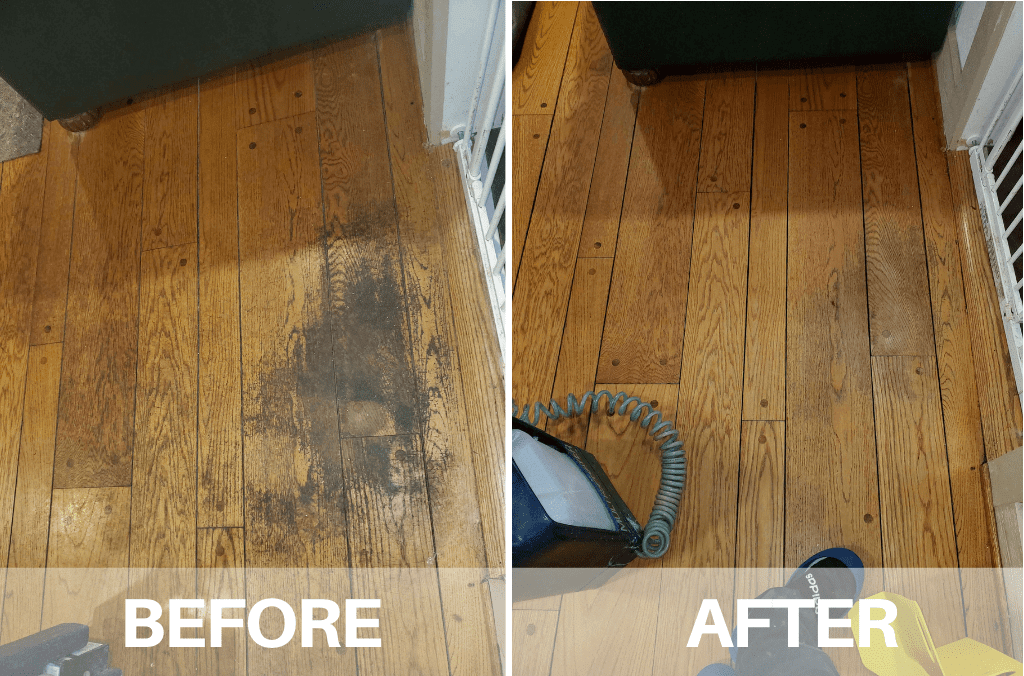
Before applying any liquid cleaner or specialized solution, you must determine what type of finish coats your hardwood floors. Cleaning methods that work safely on modern polyurethane finishes can severely ruin traditional wax or oil-treated surfaces.
Surface-Sealed Floors (Polyurethane, Polyacrylic, or Urethane)
Most modern homes feature surface-sealed hardwood floors. These finishes create a clear, water-resistant barrier across the top of the wood grain. Water tends to bead up on surface-sealed wood, making these floors relatively easy to mop using mild, pH-neutral cleaners.
Penetrating Sealers and Oil/Wax Finishes
Older homes or specialty custom hardwoods may feature penetrating oil or paste wax finishes. These coatings soak deep into the wood fibers rather than creating a top barrier. Water placed on a waxed floor will soak in and form a gray spot rather than beading up.
Important Warning: Never use water-based mops or liquid floor cleaners on waxed or unfinished hardwood floors. Water penetration leads to swelling, staining, and severe warping.
Daily and Weekly Maintenance Routines
Establishing a consistent routine prevents gritty soil particles from acting like sandpaper against your floor’s top protective coat.
1. Daily Dust Mopping or Sweeping
Sweep high-traffic hallways, kitchens, and entryways daily using a microfiber dust mop or a fine soft-bristle broom. Microfiber pads attract static electricity, capturing fine dust particles and pet hair without scratching delicate topcoats.
2. Weekly Vacuuming
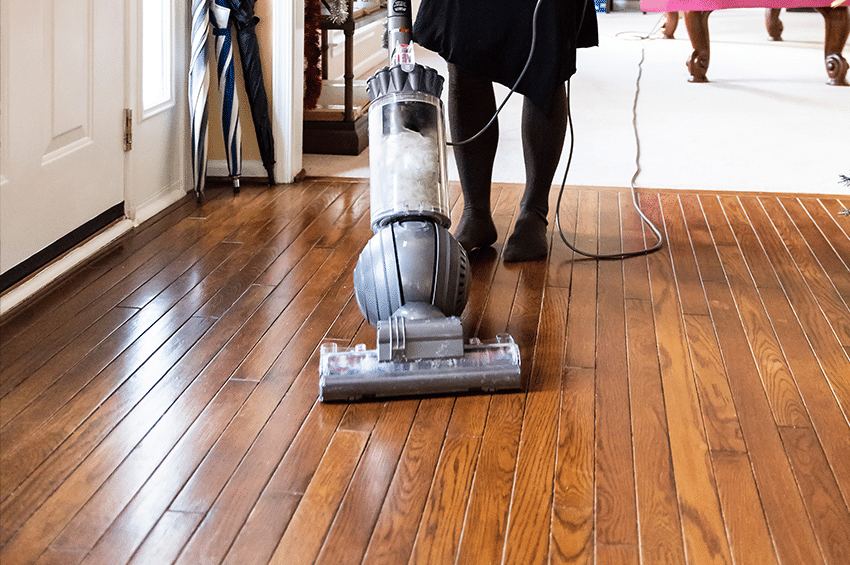
Vacuuming removes dirt lodged between floorboards and along baseboards where sweeping brooms cannot reach. Always use a vacuum featuring a dedicated hard-floor attachment or turn off the rotating beater bar. Rotating stiff bristles on carpet vacuum heads can scratch hardwood finishes.
How to Damp Mop Hardwood Floors Safely
Mopping is essential for removing sticky residue, food splatters, and mud, but excess moisture remains the single greatest threat to hardwood flooring.
Step 1: Select the Right Cleaning Solution
Choose a commercial pH-neutral cleaner specifically formulated for hardwood floors or an eco-friendly, non-toxic floor solution. Avoid using pure vinegar, ammonia, or dish soap; acidic solutions break down polyurethane protective coatings over time, leaving surfaces dull and hazy.
Step 2: Master the “Barely Damp” Technique
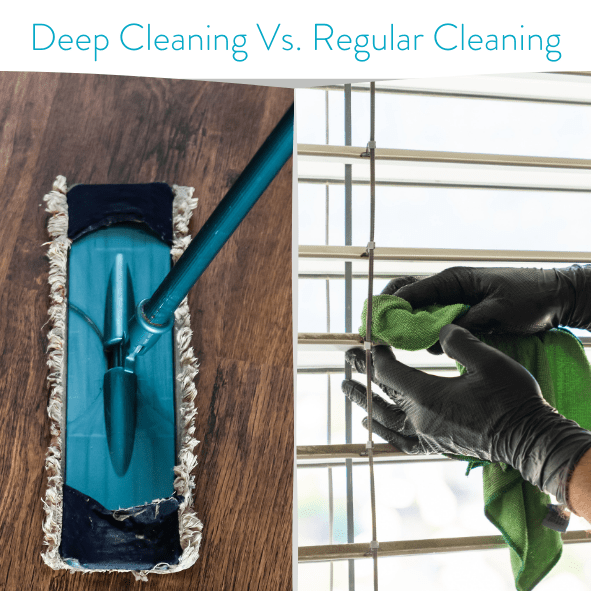
Submerge your microfiber mop head into the cleaning solution, then wring it out completely until it is barely damp to the touch. When you wipe the floor, the water film should evaporate within 30 to 60 seconds. If water puddles on the boards, your mop head is too wet.
Step 3: Mop with the Grain
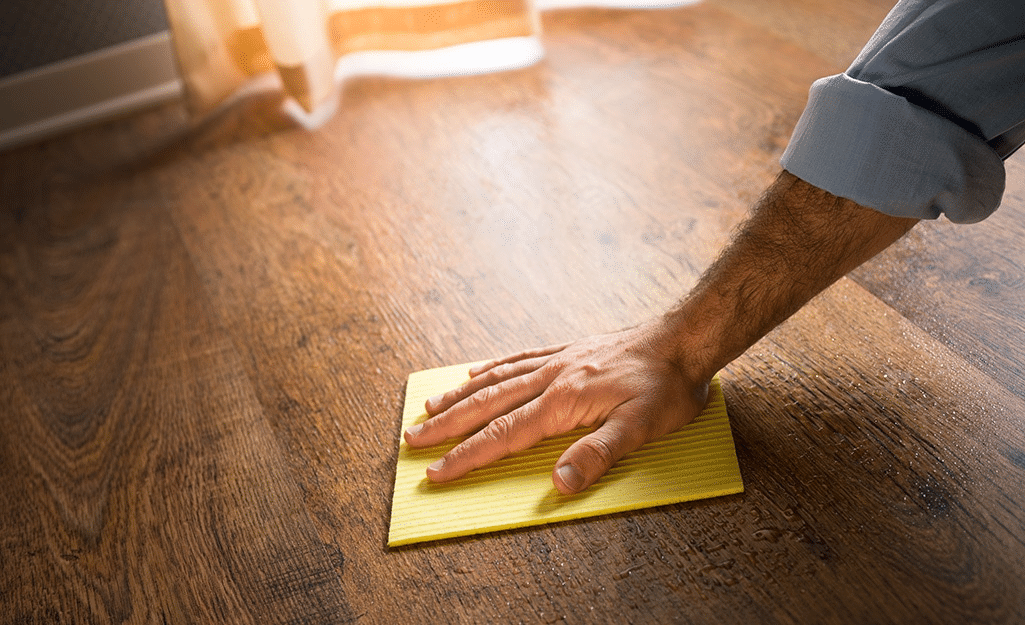
Guide your mop smoothly along the natural direction of the wood grain. Working with the grain prevents streaking and ensures the cleaning solution works into microscopic texture grooves across the planks.
Hardwood Floor Cleaning Method Comparison
Selecting appropriate tools and techniques protects your investment and ensures long-term floor durability:
| Cleaning Method | Frequency | Safety Rating | Best Equipment | Primary Purpose |
| Microfiber Dusting | Daily | High (10/10) | Dry Microfiber Pad | Removing dry grit and dust |
| Hard-Floor Vacuuming | Weekly | High (9/10) | Suction Head (No Beater Bar) | Clearing gaps and grooves |
| Damp Microfiber Mopping | Bi-Weekly | High (9/10) | Spray Mop / Damp Pad | Light cleaning and spill removal |
| Steam Cleaning | Never | Critical Hazard (1/10) | Steam Mop Units | DO NOT USE: Forces steam into wood |
| Traditional Bucket Mopping | Rare | Poor (3/10) | Cotton String Mop | High risk of oversaturation and warping |
4 Common Hardwood Cleaning Mistakes to Avoid
Even well-meaning floor maintenance can cause unintended surface damage if incorrect products or methods are used.
1. Using Steam Mops
Steam mops force high-pressure water vapor into microscopic cracks in the polyurethane finish. This thermal moisture penetrates deep into wood fibers, causing planks to cup, buckle, and turn gray over time.
2. Relying on Vinegar and DIY Acidic Solutions
While white vinegar is popular for general eco-friendly cleaning, its acidic nature dulls polyurethane finishes over time. Repeated use breaks down chemical bonds in the topseal, creating a hazy appearance that cannot be buffed out.
3. Ignoring Wet Footprints and Animal Spills
Standing liquids left on hardwood boards eventually seep past joint seams. Always wipe up liquid spills, melting ice, and pet accidents immediately using an absorbent microfiber towel.
4. Over-Waxing or Applying Acrylic Polish
Adding extra layers of wax or acrylic-based polish to polyurethane floors creates a sticky build-up that attracts dust and turns cloudy. Once build-up occurs, chemical stripping is required to restore original clarity.
For comprehensive architectural standards on hardwood wood species, hardness ratings, and installation criteria, consult technical resources provided by the National Wood Flooring Association (NWFA).
Preventive Measures to Protect Hardwood Investment
Preventing scratch damage and soil accumulation reduces the need for aggressive deep cleaning:
- Place High-Quality Doormats: Position absorbent mats at all exterior entryways to capture mud, moisture, and road salt before foot traffic reaches hardwood hallways.
- Attach Felt Furniture Pads: Heavy table legs, dining chairs, and sofas should feature thick felt pads underneath all contact points. Replace worn pads bi-annually.
- Trim Pet Nails Regularly: Claws on large dogs can gouge polyurethane finishes. Keep pet nails clipped to minimize surface scratches.
- Manage Indoor Humidity levels: Wood expands and contracts with humidity changes. Maintain interior relative humidity between 35% and 55% using HVAC humidifiers or dehumidifiers to prevent board gapping.
Professional Floor Care & Maintenance Solutions
While regular home care preserves daily floor appearance, scheduling periodic professional deep cleaning removes embedded grime, restores high-traffic lanes, and protects overall property condition.
If you live in the greater Greenville, SC region and need expert residential care, explore tailored services at Busy Beez Cleaning.